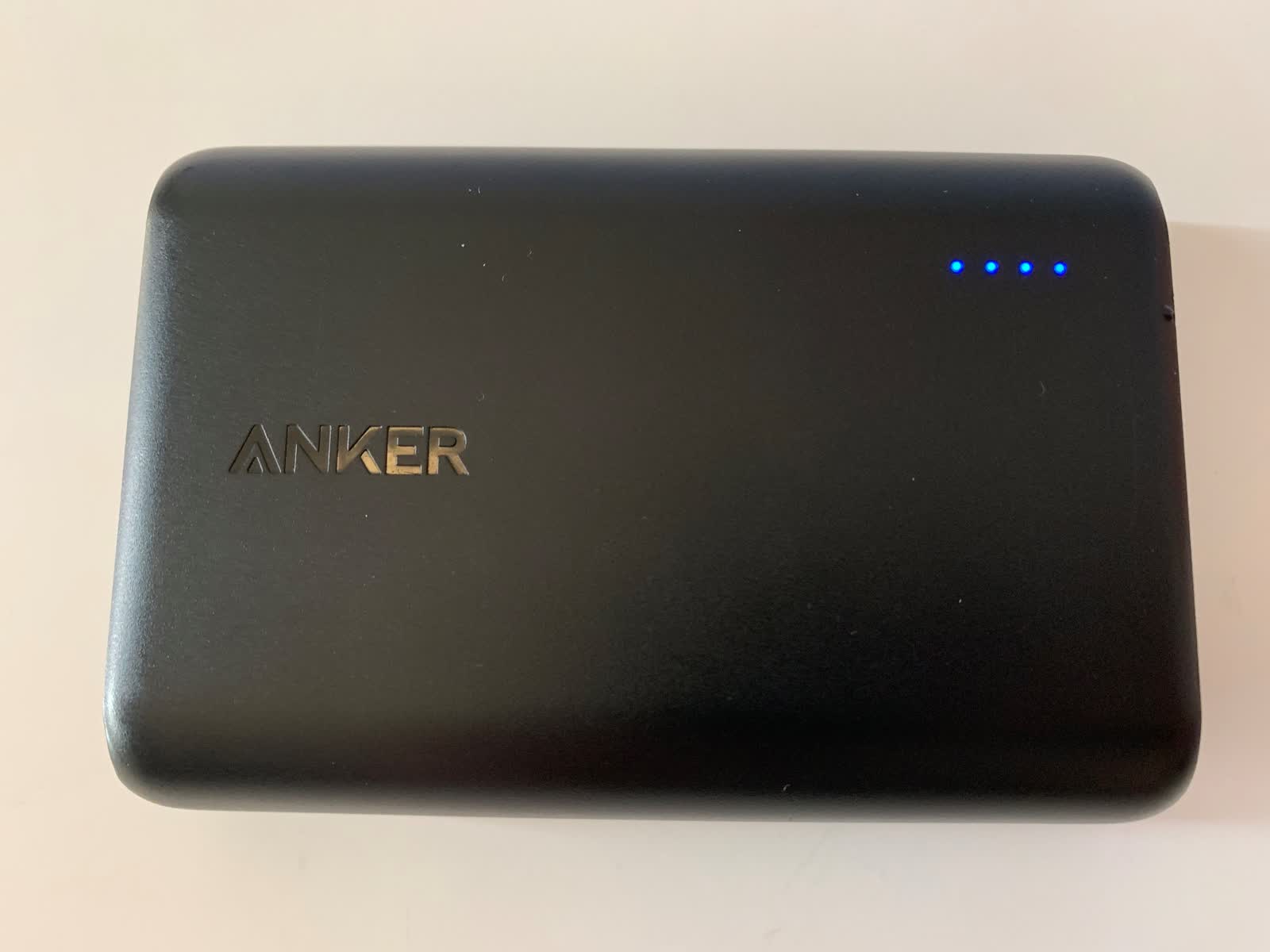
The Anker 737 can push high wattage into modern USB-C laptops and still top up a phone at the same time. The screen is the quiet win. You see input, output, and remaining charge without guessing. Travelers who hate dying at 12% in a boarding line like that honesty.
Capacity is large. So is the weight. At roughly 630g it lives in a backpack, not a jeans pocket. If you only charge earbuds and a phone, a slim PowerCore is less to carry and costs less. Buy the brick when the laptop is part of the trip.
Owner reports usually praise the display accuracy and multi-device top-ups. Then they complain about bulk in a sling bag. Cable quality matters at high wattage. A weak USB-C cable will make the bank look slower than the label. Pack a cable rated for the power you expect.
If you already carry a 65W GaN wall charger, the bank is mainly for trains, gates, outdoor workdays, and hotel desks with one socket behind the bed. Phone-only users will resent the weight by day two. Some laptops also charge slowly on USB-C no matter what the bank can do. Check both sides of the cable.
Airline watt-hour limits still apply. Check the printed Wh rating against your carrier before you fly. Keep the label readable. Recharge time into the bank itself is part of the loop. Pair it with a wall charger that can feed it quickly when you have an outlet.
Get the 737 for travel days with a thin laptop and no seat power. Skip it for pure phone use. Based on published specs and common themes in Amazon and travel gear discussions. Match the bank to the heaviest device you charge away from a wall.
Think of the system as wall brick, cable, bank, and laptop rather than a single hero product. Get the 737 when that whole chain matters on the road. Everything else is secondary.
Based on published specs and common themes in Amazon and travel gear discussions. Match the bank to the heaviest device you charge away from a wall. Skip it for pure phone use.
Anker 737 on AmazonSlimmer Anker option
Secondweek may earn a commission from amazon links