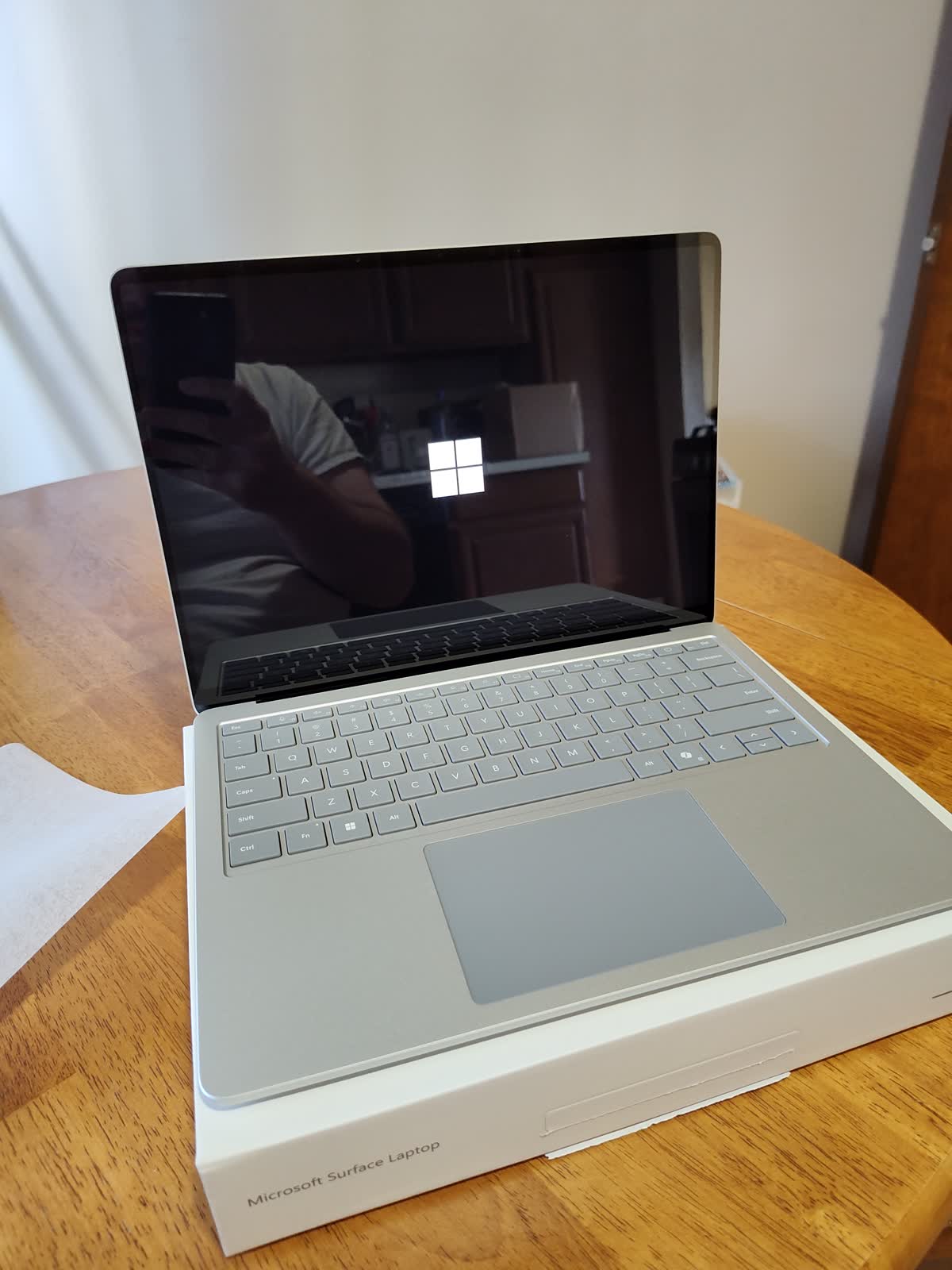
The Verge's Antonio G. Di Benedetto reviewed Microsoft's 2026 entry-level 13-inch Surface Laptop and landed on a blunt conclusion. Even Microsoft cannot make Windows 11 work well with 8GB of RAM. The machine is essentially last year's thin-and-light design with less memory and a higher price.
Why 8GB still shows up
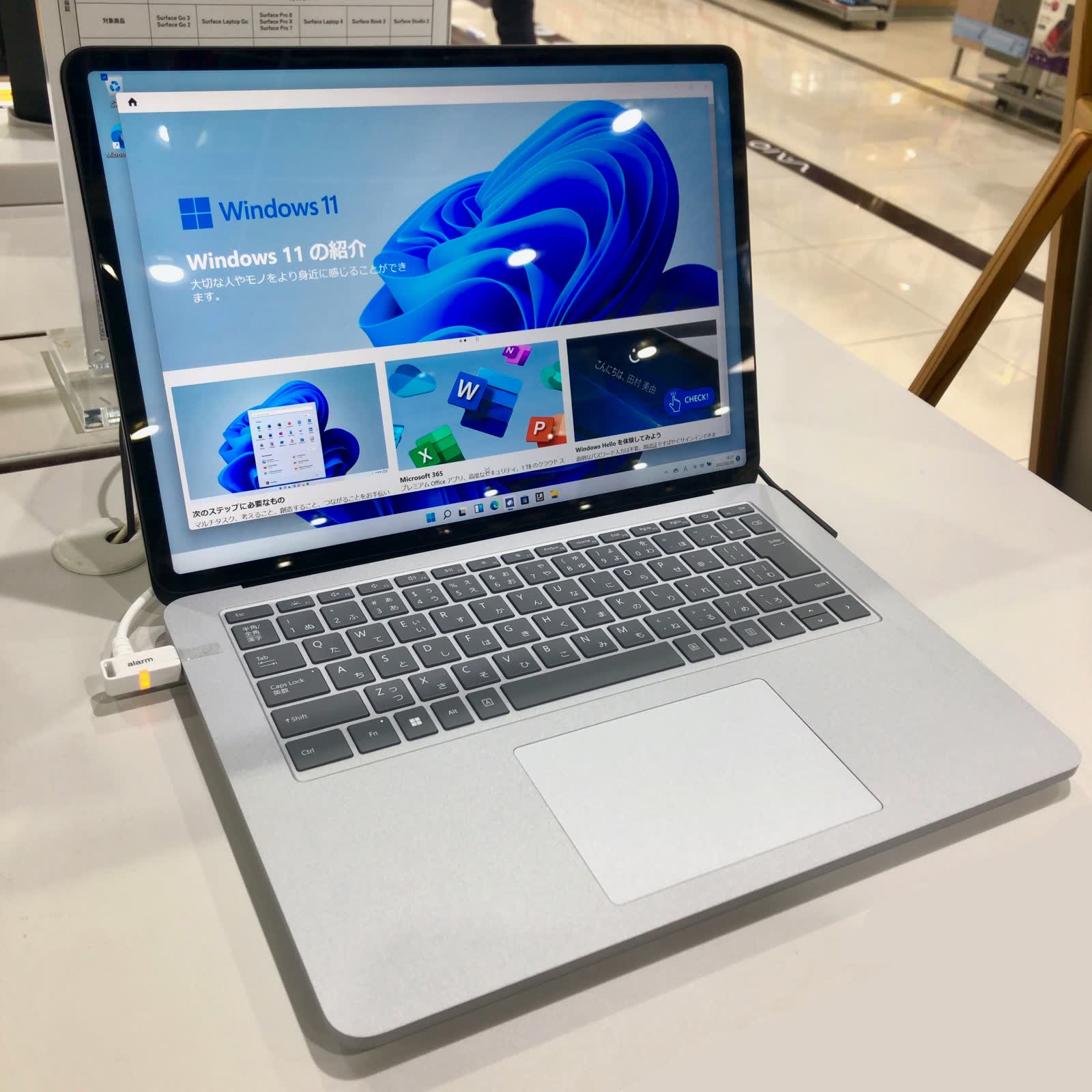
Memory prices have spiked in the shortage cycle people call RAMageddon. The same class of laptop that previously shipped with more RAM now sits around $950 with 8GB and 256GB of storage. Di Benedetto notes it has been years since he tested a Windows laptop this short on memory.
That matters because this is Microsoft's own hardware. If the OS vendor's entry SKU feels constrained, budget Windows configs that advertise 8GB as fine for "AI PCs" deserve extra skepticism. Marketing stickers do not free RAM when Chrome, Teams, and a dozen background services wake up together.
The practical floor for comfortable Windows 11 daily use remains closer to 16GB for most people who keep a browser and a few apps open. Power users will want more. Eight gigabytes forces constant tab eviction and slow context switches. The machine feels broken even when the CPU is fine.
Storage is part of the squeeze too. 256GB fills quickly once Office, browsers, offline files, and creative apps land. SSD prices have also moved. Upgrading later is not free. Many thin laptops solder the memory, so the day-one config is the forever config.
Education and small-business buyers are the most exposed. Bulk contracts still ship thin configs because the line-item looks cheap. IT then spends the year fielding freezes and update failures that are really memory pressure.
If you need a thin Windows laptop now, pay for more RAM or wait for better SKUs. Chasing the lowest 8GB sticker is a false economy. Until entry Surface models clear a usable memory floor, 8GB Windows remains a compromise product, not a default recommendation.
Apple and Chromebook comparisons will keep stinging for shoppers who only need browser work. Windows still wins on legacy apps and certain peripherals. Those wins do not excuse shipping a flagship-adjacent design that swaps under memory pressure.
Check upgradeability before you buy. Once the memory is soldered, the configuration you walk out with is the one you will live with for years. That is the real cost of the low sticker.
Microsoft can ship prettier keyboards and thinner lids all it wants. Until entry Surface models clear a usable memory floor, the message to the rest of the PC market is that 8GB Windows is not a baseline you should recommend without caveats.